
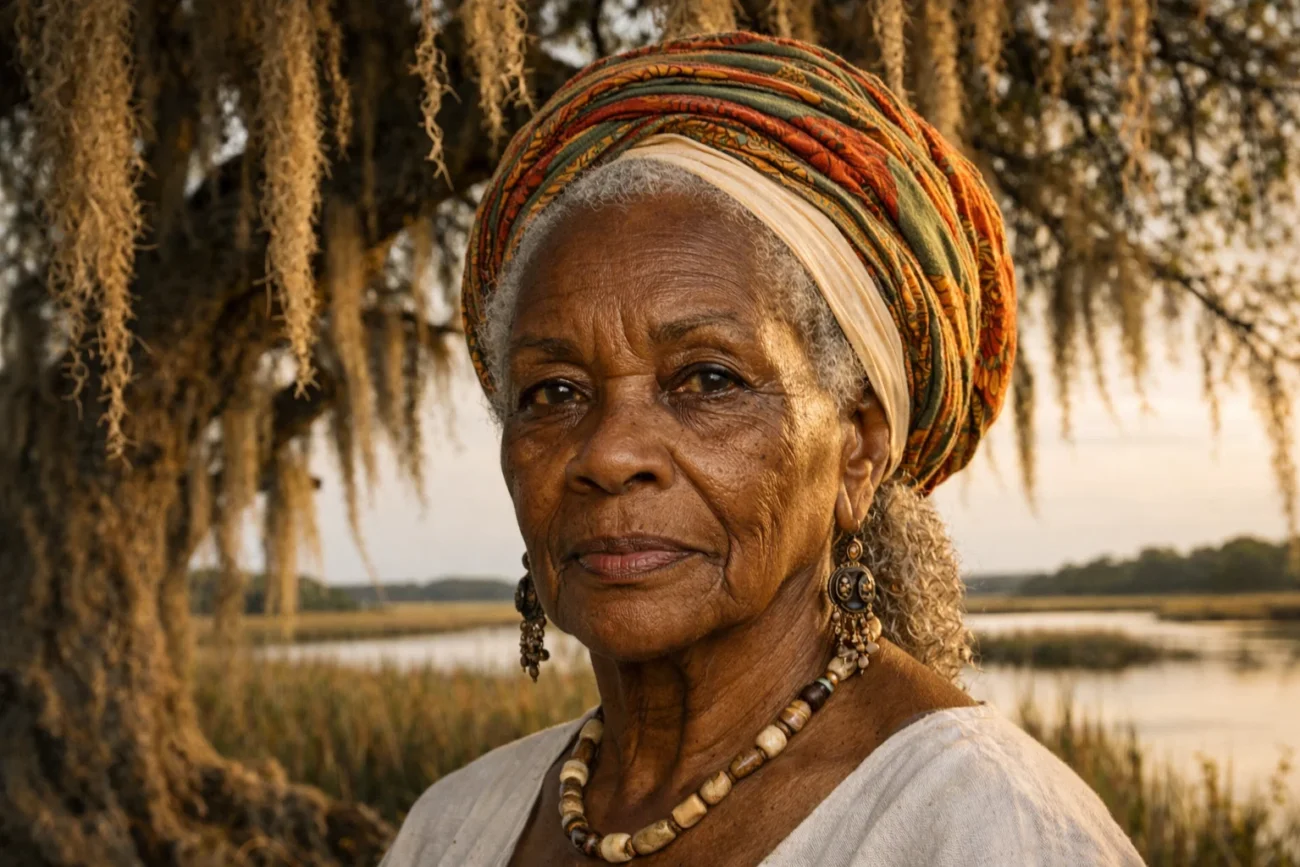
Just forty miles south of Savannah, and seven miles off Georgia’s Atlantic shoreline, lies a place where time lingers and history breathes—Sapelo Island. Remote, quiet, and often left out of modern maps, Sapelo holds something rare: the living legacy of the Gullah Geechee people, a culture shaped by centuries of strength, survival, and soul.
The Gullah Geechee are descendants of enslaved West Africans brought to the Southeastern coast to labor on rice, indigo, and cotton plantations. But on secluded islands like Sapelo, something remarkable happened—their traditions didn’t vanish. Isolated from the mainland, they preserved a vibrant heritage: a language rooted in Creole and African tongues, a culture all their own, and a way of life that pulses with deep ancestral memory.
On Sapelo, heritage isn’t history—it’s daily life. Elders still speak in Gullah, a melodic language laced with West African influence. Oral storytelling reigns over written records. Meals are sacred connections to the past: red rice, okra soup, fried fish caught from the same marshes their ancestors once waded into. Each bite is a thread in a centuries-old tapestry.
Survival on Sapelo was never easy. With no roads connecting it to the mainland, and access only by ferry or private boat, the island offered none of modern life’s conveniences. Generations lived off the land and water—fishing, crabbing, farming corn and sweet potatoes, weaving baskets from sweetgrass. These weren’t crafts. They were survival.
But survival alone was never the goal. The Gullah Geechee faced relentless threats—from land speculators trying to buy or seize ancestral land, to economic pressures pushing younger residents off the island. Some labeled their way of life outdated. But the community stood firm, rooted like the oaks that shade their porches.
And still, Sapelo holds. Still, they endure.
To walk Sapelo’s sandy roads is to step into a living museum. Children chase each other down worn paths while elders tell stories beneath the trees. You hear the echoes of freedom in the same fields once heavy with sorrow. You see resilience not in monuments, but in handmade quilts, boats carved by hand, and baskets coiled with time and care.
Scholars now call Sapelo a cultural gem. But for the people who live there, it is simply home. It’s where ancestors rest beneath the soil, where voices rise in prayer from wooden pews, where every tide brings back memories and meaning. It is not just about remembering the past—it is about honoring it through daily life.
The fight continues. Rising taxes, outside development, and political battles threaten the land. Each challenge risks erasing what centuries could not. But the people of Sapelo remain steadfast. Their mission is clear: protect the culture, protect the land, protect each other.
Because Sapelo isn’t just an island.
It’s a rhythm. A language. A heartbeat. It’s living proof that heritage can survive not in glass cases, but in kitchens, hymns, and everyday conversation. That even after unimaginable pain, beauty and strength can bloom.
To visit Sapelo is to touch living history. To hear the story not of a people gone—but of a people still rising.
Sapelo endures. It resists. It remembers. And most of all, it lives.