The night I crossed the threshold of Mrs. Halloway’s house, I believed I was doing something ordinary—putting food out for a hungry cat. I had no sense that I was stepping into a life sealed off for decades, or that I was about to uncover a truth that would reshape how I understood fame, family, and forgiveness. I’m 38, married, with two children, living in a calm Midwestern town where neighbors wave from porches and days unfold predictably. Yet one lesson became clear: you never really know what’s hidden behind a neighbor’s curtains—especially when a single house has remained closed to the world for 26 years.
When my family moved to Maple Street, the welcome was immediate and warm—baked goods, invitations, and easy smiles. There was one exception: Mrs. Halloway, the elderly woman in the aging Victorian at the end of the block. No one knew her first name. No one had ever been inside her home. Every few days she would appear briefly to collect her mail, wearing worn slippers and an old robe, eyes fixed on the ground as if trying to disappear. The neighborhood traded theories—an absent husband, a lost child, a sorrow too deep to mend—but everyone agreed on one thing: she never had visitors. Still, late at night, I sometimes heard faint piano music drifting from her house—melancholy and distant, like a memory she couldn’t release.
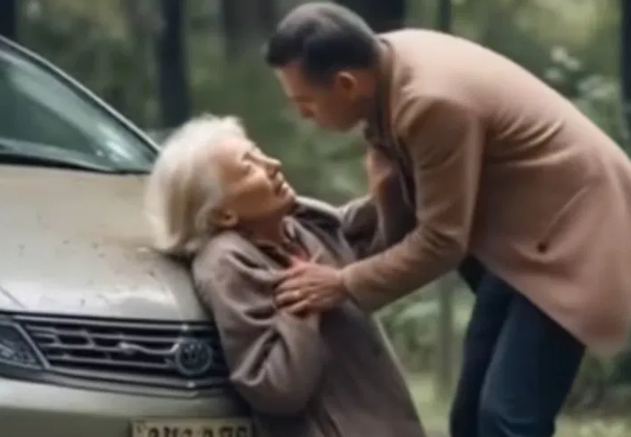
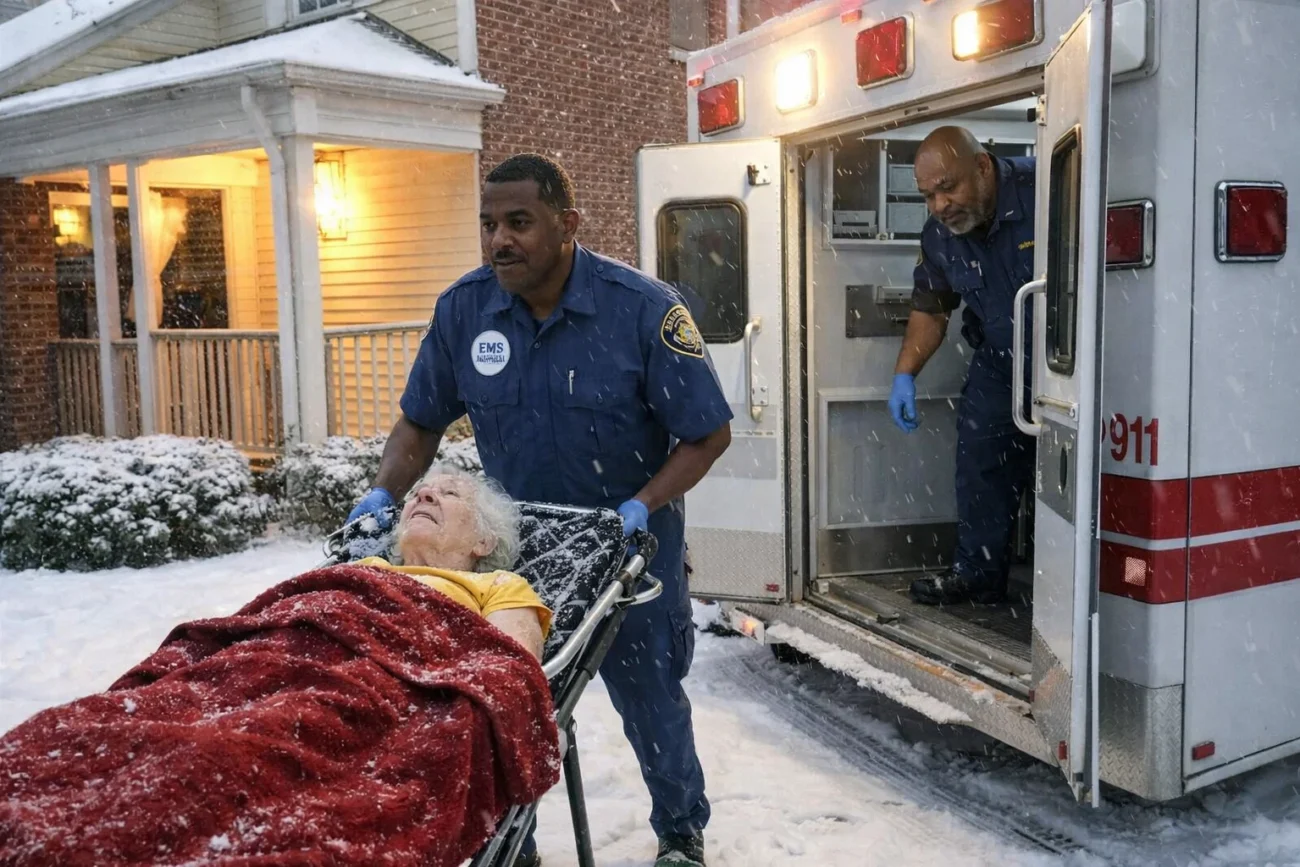
Everything changed one Tuesday just after midnight, when flashing red and blue lights washed over our bedroom wall. I looked out and saw an ambulance parked in front of Mrs. Halloway’s home. Without stopping to think, I ran outside barefoot, still in my pajamas. Paramedics moved quickly in and out, and when they carried her on a stretcher, she looked impossibly small. As they passed, she caught my eye, gripped my wrist with unexpected strength, lowered her oxygen mask, and pleaded with me not to let her cat go hungry. Behind them, her front door—shut to everyone for decades—hung open. I went inside, fed the thin orange tabby crying for food, and couldn’t ignore the heavy quiet of the place: furniture draped in sheets and a grand piano concealed beneath white fabric, like a specter of the life she once lived.
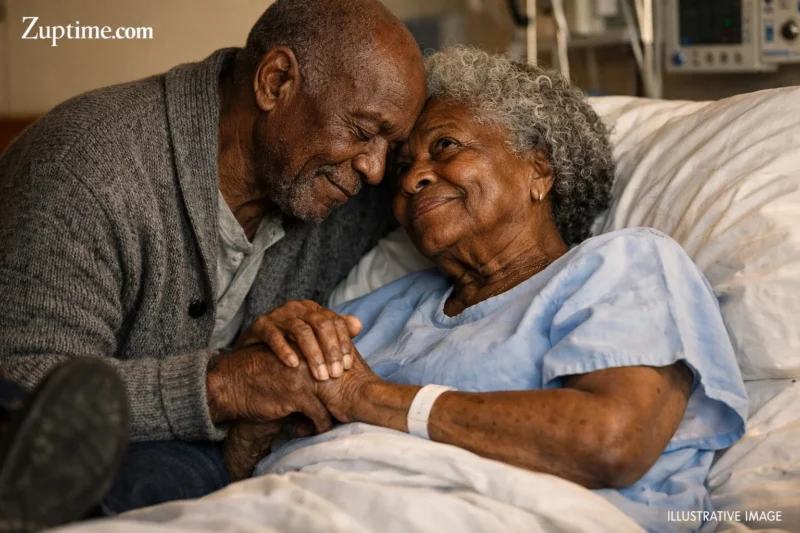
The following morning, I brought flowers to her hospital room and spoke words I never imagined saying: “I know who you are.” When I mentioned recognizing the old photograph on her mantel, her expression tightened, then crumbled. Mrs. Halloway revealed that she had once been a singer—briefly famous for a single, unforgettable song before she vanished from public view. She explained that her husband, who managed her career, controlled every aspect of her life and ruled through fear. She disappeared to protect herself and her daughter, only to lose everything regardless. Then, through tears, she shared the truth she had buried for years: her daughter had not died—she had left, carrying anger and hurt she could not forgive. With only weeks remaining, Mrs. Halloway wanted one final chance to set things right. As I helped her confront the family she had been separated from for so long, I learned something I will always remember: sometimes the greatest kindness isn’t offering help—it’s giving someone a path back home.
Note: This text is a fictional narrative created for storytelling purposes and does not represent real individuals or events.